
Comedy sequels are usually the cinematic equivalent of a polite cough at a funeral, uncomfortable, unnecessary, and a sign that someone has run out of things to say. They typically arrive with more money, less soul, and a desperate desire to recapture lightning that has long since dissipated into the atmosphere. Usually, when a director revisits his debut hit twelve years later, it’s a cry for help or a mortgage payment.
Then there is Clerks II.
Released in 2006, Kevin Smith’s return to the View Askewniverse shouldn't have worked. The original Clerks (1994) was a black-and-white, lo-fi anthem for the disenfranchised Gen X-er, a film that thrived on its grime and its $27,000 budget. Moving Dante and Randal into the Technicolor world of a fast-food joint called Mooby’s seemed like a betrayal of the aesthetic. But Smith did something far more radical than simply upgrading the camera equipment. He allowed his characters to age without actually letting them grow up. It’s a film about the terrifying realization that you are thirty-something and still haven't "started" your life. It's vulgar. It's loud. It's surprisingly tender. It’s the best thing Smith ever did.
The Aesthetics of Stagnation
The film opens in the familiar monochrome of the Quick Stop, only to have the store literally go up in flames. It’s a heavy-handed metaphor, sure, but effective. When we pivot to the vibrant, oversaturated yellows and purples of Mooby’s, the color doesn't represent a brighter future. It represents the artificiality of their new reality. Dante Hicks (Brian O'Halloran) and Randal Graves (Jeff Anderson) are now in their thirties, wearing visors and serving "Cow-Tipping Fries" to a younger generation that doesn't understand their Star Wars references.
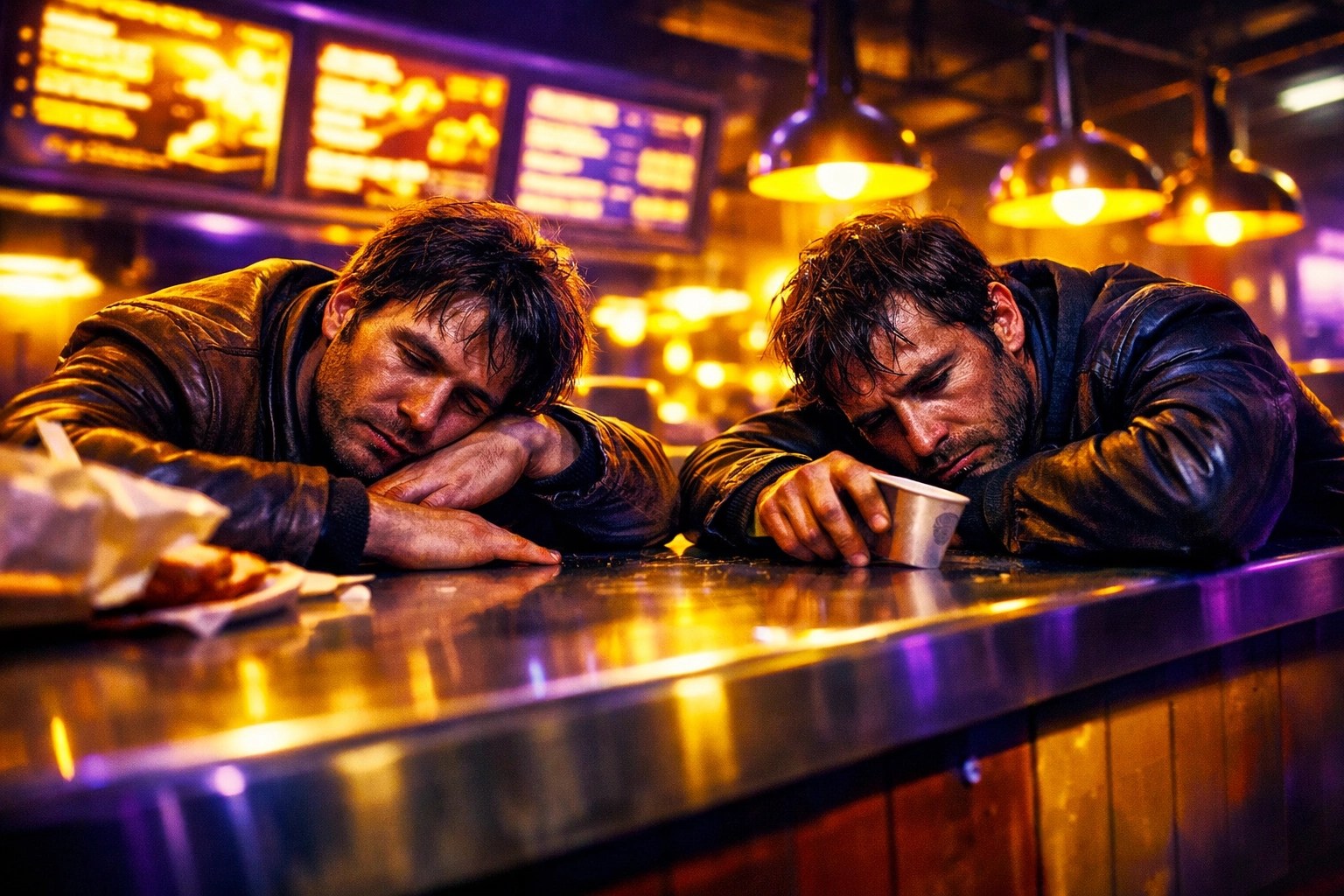
Smith’s direction has always been criticized for being "stagnant", essentially just pointing a camera at people talking. In Clerks II, this lack of visual gymnastics actually serves the narrative. Dante and Randal are stuck. They are human versions of a software update that keeps failing at 99%. The camera lingers on their faces as they lean against the stainless steel counters, capturing the weary resignation of men who have realized that the "glory days" they’re nostalgic for were actually just days they spent complaining about a different counter.
The Randal Graves Philosophy of Offense
If Dante is the heart of the film, Randal is its jagged, unfiltered gallbladder. Jeff Anderson returns with a performance that is somehow even more acerbic than the original. In 1994, Randal was a jerk. In 2006, he’s a professional provocateur.
The humor in Clerks II is notoriously "raunchy," a word that feels too polite for a movie featuring a sequence involving a donkey that I legally cannot describe in detail here. But the humor serves a purpose beyond shock value. Randal’s relentless abuse of Elias (Trevor Fehrman), the devout Christian teenager who loves Transformers, isn't just about being mean. It’s Randal’s defense mechanism against the encroaching irrelevance of his own life.

Randal’s infamous attempt to "take back" a certain racial slur is one of the most uncomfortable scenes in 2000s comedy. It’s cringeworthy, yes, but it perfectly illustrates his character: he is a man so insulated by his own irony and pop-culture bubble that he has lost touch with the weight of the real world. He treats life like a message board thread, oblivious to the fact that his "edgy" takes are just symptoms of his own arrested development.
The Rosario Dawson Factor: Unexpected Grace
What elevates Clerks II from a mere filth-fest to a legitimate piece of cinema is Becky Scott, played with effortless charisma by Rosario Dawson. Becky is the manager of Mooby’s and the third point in a love triangle that includes Dante and his fiancée, Emma (Smith’s real-life wife, Jennifer Schwalbach).
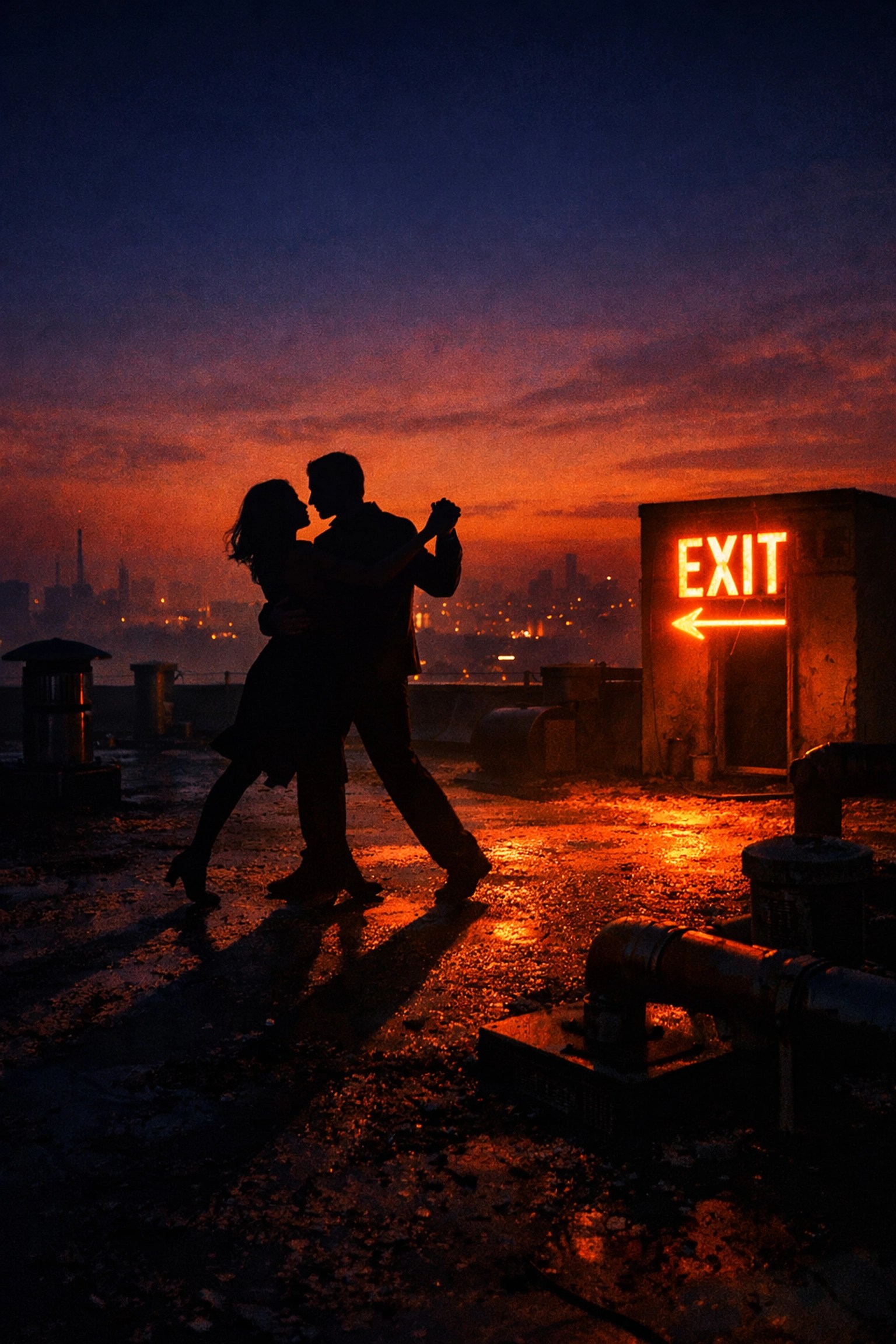
Usually, the "cool girl" in a male-centric comedy is a cardboard cutout designed to validate the protagonist. Becky is different. She is the first person in Dante’s life who doesn't treat him like a project to be fixed or a failure to be tolerated. The rooftop dance sequence to King’s "Goodbye Horses": a song forever linked to The Silence of the Lambs: is a moment of genuine, un-ironic beauty. For a few minutes, the movie stops trying to be funny and just lets us see two people finding a connection in a place they both hate.
Dawson brings a groundedness that the View Askewniverse often lacks. When she reveals her pregnancy to Dante, the stakes shift. The movie is no longer about whether Dante will move to Florida with Emma; it’s about whether he has the courage to choose a life that is messy and "downwardly mobile" over a life that is safe and soul-crushing.
Jay and Silent Bob: The Holy Fools
It wouldn't be a Kevin Smith film without the weed-dealing duo lurking outside. By 2006, Jay (Jason Mewis) and Silent Bob (Smith) had become caricatures of themselves, but Clerks II finds a way to make them relevant again. Their supposed "religious conversion" in rehab provides a thin veneer of change that is immediately stripped away by their "vile dialogue" and continued antics.
They function as the film’s chorus: a constant reminder that while the world around them changes, some things remain blissfully, stubbornly the same. Their presence provides the comfort food the audience craves, but even they feel the weight of time. When Jay recreates the Buffalo Bill dance from The Silence of the Lambs, it’s a moment of pure, stupid joy that balances the film’s more existential anxieties.
The Bittersweet Reality of the Ending
The climax of the film: a jailhouse confrontation between Dante and Randal: is perhaps the most honest writing of Smith’s career. Randal finally breaks, confessing that his biggest fear isn't being a failure, but being a failure without Dante. It’s a love story, plain and simple. Not a romantic one, but a platonic one about the people who make our miserable lives tolerable.

The decision to buy the Quick Stop and reopen it is often viewed as a "happy ending," but look closer. It’s bittersweet. They are returning to the exact spot where they started twelve years ago. They are choosing to live in a loop. The film ends in black and white once they return to the store, suggesting that while they have found peace, they have also accepted a certain kind of limitation.
It’s an intriguing idea. Execution is another matter, but Smith sticks the landing by leaning into the sentimentality. He knows his audience. He knows that for some people, "success" isn't a house in the suburbs; it’s being able to talk about Lord of the Rings with your best friend while leaning on a counter you finally own.
Verdict: Why It Matters
Clerks II is a movie that shouldn't be as good as it is. It’s vulgar, it’s crude, and it features a "donkey show" that will haunt your therapist’s dreams. But beneath the filth is a profound meditation on the terror of the "thirtysomething" transition. It’s a film that understands that growing up doesn't always mean moving on: sometimes, it just means figuring out who you want to be stuck with.
It's better than the original? Probably not in terms of cultural impact. But as a piece of storytelling, it’s far more complex. It trades the cynicism of youth for the melancholy of adulthood, and in doing so, it proves that Kevin Smith, for all his dick jokes, actually has a heart of gold.
Tags: #ClerksII #KevinSmith #MovieReview #FilmCritique #Comedy #ViewAskewniverse #DanteAndRandal #RosarioDawson #IndieFilm #ELFilmCritic #FilmAnalysis #MovieReviews

Leave a Reply