
Sequels usually function as cynical autopsies of dead brands. They poke at the corpse of a beloved original until enough nostalgia-fueled dollars tumble out of the pockets to justify a premiere in Vegas. It’s a standard industry cycle. But when Kevin Smith returned to the Jersey suburbs in 2006, he didn’t just exhume his 1994 indie darling; he gave it a mid-life crisis and a bucket of fried chicken.
Clerks II is louder than its predecessor. It’s filthier. It is, somewhat miraculously, more sentimental. It trades the grainy, black-and-white existentialism of the nineties for a saturated, Mooby’s-yellow reality where the jokes are more graphic, but the stakes are far more human. It is the rare follow-up that understands that while the characters haven’t grown up, the audience: and the filmmaker: inevitably have.
Here is the deep-dive breakdown of what makes this raunchy masterpiece tick.
1. The Color of Stagnation: A Visual Pivot
The original Clerks was shot in black and white because Kevin Smith’s credit card limit wouldn't allow for color. By 2006, the choice to start in monochrome and bleed into a vibrant, sun-drenched New Jersey was a deliberate stylistic wink. It’s the Wizard of Oz for people who think "inter-species erotica" is a valid conversational gambit.
The transition happens when Dante Hicks (Brian O’Halloran) and Randal Graves (Jeff Anderson) watch their beloved Quick Stop burn to the ground. It’s a literal baptism by fire. The shift to color represents the terrifying, neon-lit reality of their thirties. It’s sleek. It’s urgent. It’s a reminder that their "slacker" status is no longer a youthful aesthetic; it’s a permanent condition.
2. The Mooby’s Mandate: From Convenience to Fast Food
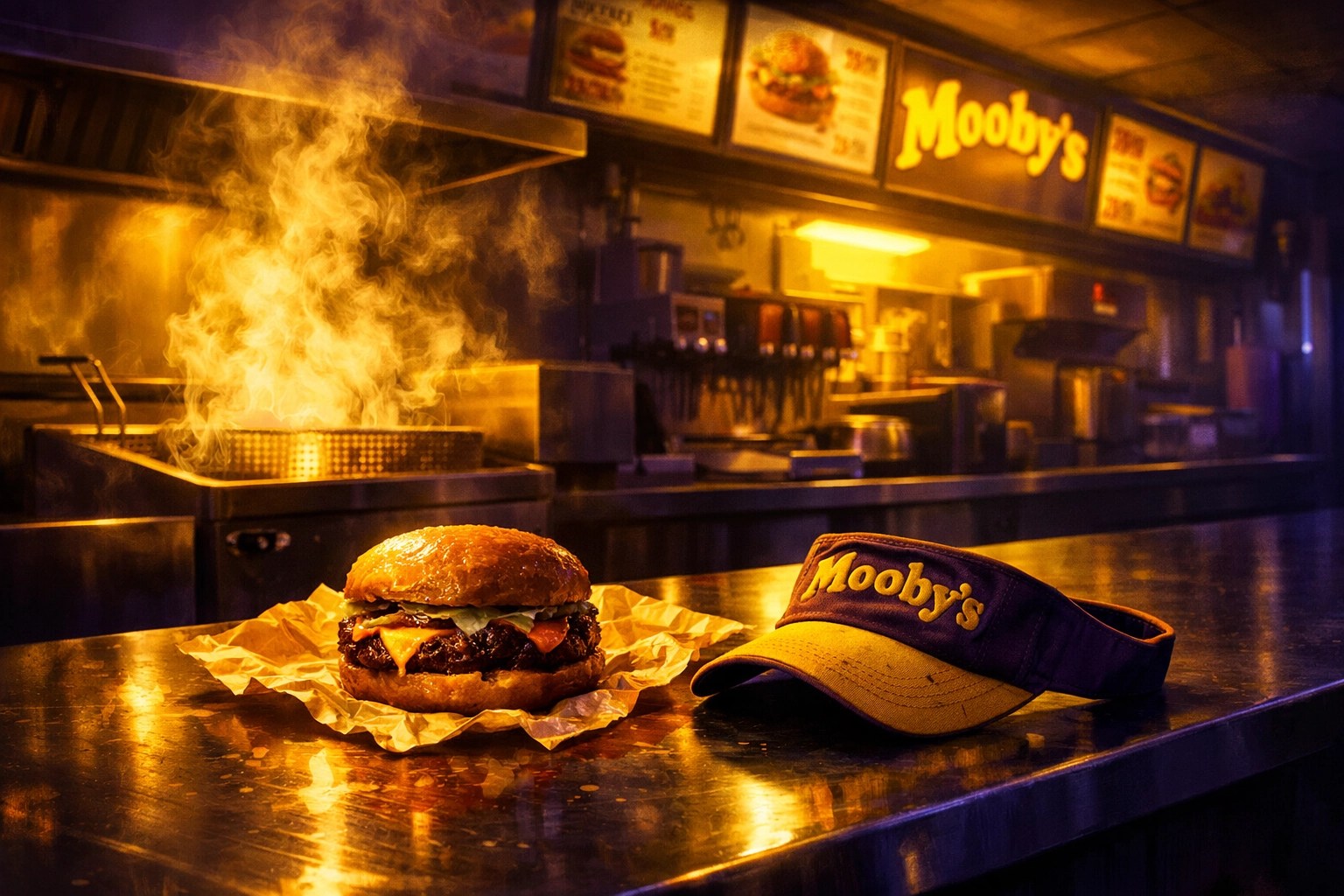
If the Quick Stop was a purgatory of boredom, Mooby’s is a corporate hellscape with a smiling mascot. The setting change is vital. Working at a convenience store is a rite of passage; working at a fictionalized McDonald's in your mid-thirties is a cautionary tale.
Smith uses the fast-food environment to sharpen his satirical teeth. The absurdity of the Mooby’s corporate culture: complete with a Christian-teenager coworker and a manager who actually cares about the bottom line: provides a fresh playground for Randal’s weaponized cynicism. It’s less a job and more a stage for a philosophical debate on the merits of Star Wars versus Lord of the Rings.
3. Dante Hicks and the Florida Trap
Dante remains the patron saint of the indecisive. Ten years later, he is still the man who "wasn't even supposed to be here today," only now "here" is a dead-end burger joint and "today" is the rest of his life. His impending move to Florida with his fiancée, Emma, is framed as a rescue mission, but it smells like a funeral.
His conflict is the heart of the film. Dante represents the part of us that wants to do the "right thing": marry the wealthy girl, move to the sunshine state, manage a car wash. But Smith suggests that a comfortable life built on a lie is a slower death than a chaotic life built on authenticity. O’Halloran plays Dante with a weary, hangdog grace that makes his inevitable meltdown feel earned.
4. Randal Graves: The Weaponized Nostalgia
Randal is the engine of the film. Jeff Anderson returns with the same sharp tongue, but there’s a new layer of desperation beneath his insults. He is terrified of losing his audience. If Dante leaves for Florida, Randal isn't just a clerk; he’s a lonely man talking to himself in a purple visor.
His dialogue remains the gold standard for "hanging out" movies. Whether he’s trying to "take back" a certain racial slur or explaining why the Lord of the Rings trilogy is just a series of people walking to a volcano, Randal is the voice of every person who ever used pop culture as a shield against reality. He’s the architect of the film's most controversial moments, proving that while he hasn't matured, his ability to offend has become a precision craft.
5. The Rosario Dawson Factor
If the film has a secret weapon, it’s Rosario Dawson as Becky Scott. Bringing an actress of her caliber into the View Askewniverse felt like a glitch in the matrix at the time. She brings an effortless, grounded warmth that the franchise desperately needed.
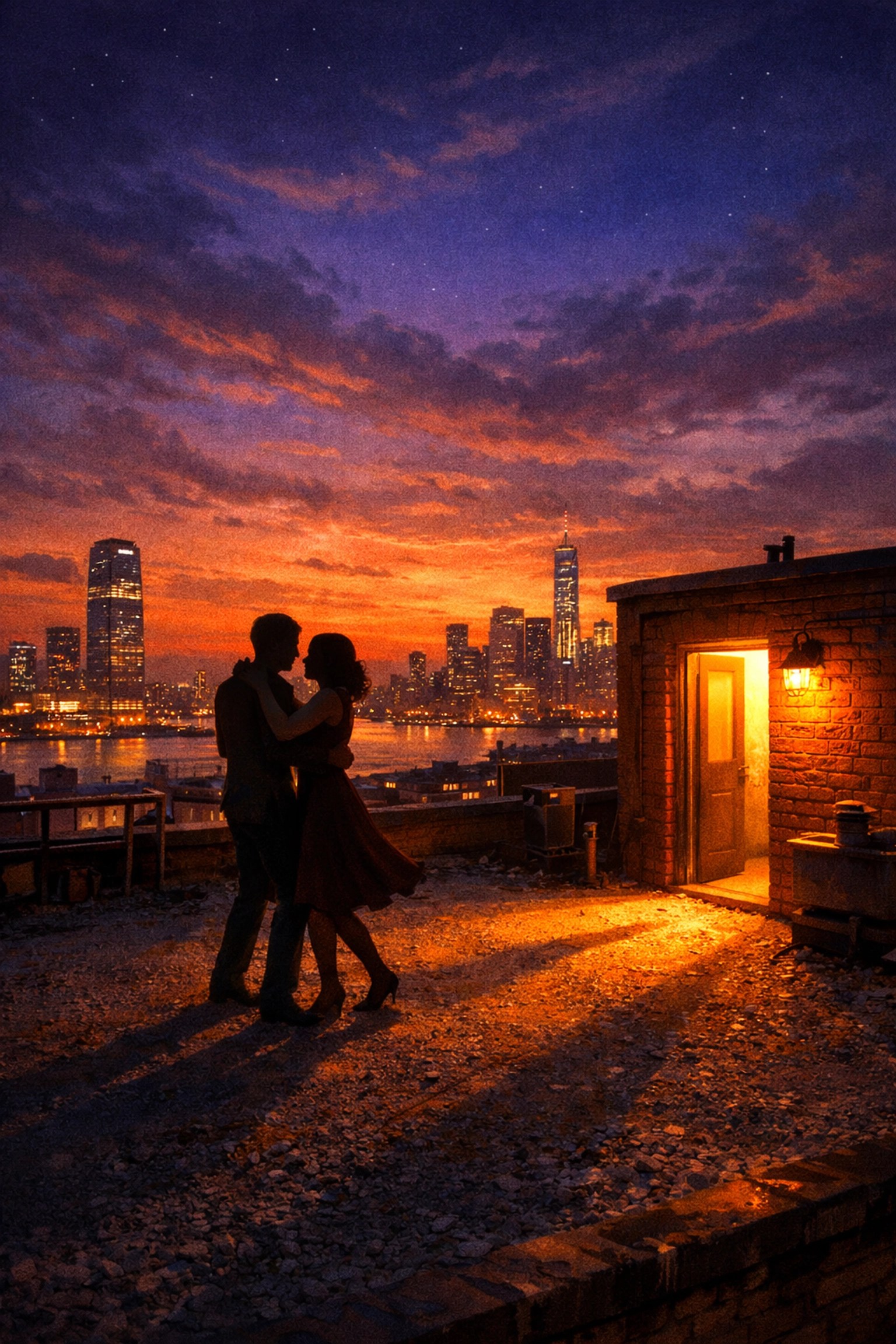
Becky is the only character who feels like a functional adult, which makes her attraction to Dante both puzzling and poignant. Their rooftop dance sequence: set to Jackson Browne’s "The Load-Out/Stay": is a moment of genuine cinematic beauty in a film that otherwise features a lot of talk about goat-related crimes. It provides the emotional gravity necessary to balance the scatological humor.
6. The Donkey in the Room: The "Show"
We have to talk about the donkey. In any other film, a "going-away gift" involving a private performance of "inter-species erotica" would be a career-ending move. In Clerks II, it’s the climax of the second act.
Smith uses the sheer, grotesque absurdity of the donkey show to force his characters into a corner. It’s a moment of total, humiliating honesty. It is the ultimate "Kevin Smith" setup: a scenario so puerile it shouldn't work, yet it serves as the catalyst for Dante and Randal to finally admit they love each other. It’s a testament to Smith’s writing that he can bridge the gap between a farm animal and a profound declaration of friendship in under ten minutes.
7. Jay and Silent Bob: The Born-Again Dealers
Jay and Silent Bob (Jason Mewes and Kevin Smith) return, ostensibly as born-again Christians after a stint in rehab. It’s a hilarious, brief subplot that lampoons the "rehab-to-religion" pipeline of the early 2000s.
They remain the Greek chorus of the New Jersey streets. While their shtick is familiar, it feels comfortable: a bit of narrative connective tissue that reminds us we are still in the same world, even if the world has gotten a lot more expensive to film. Their dance sequence to King Diamond is, quite frankly, high art.
8. Direction and Dialogue: The Smith Aesthetic
Critics often take swipes at Kevin Smith’s direction. He’s been called a "point and shoot" director who prioritizes talk over technique. In Clerks II, he leans into this. The film doesn't need sweeping tracking shots or complex lighting. It needs space for the words to breathe.
The storytelling is structured like a play: contained locations, heavy dialogue, and a reliance on performance. It’s an intimate approach to a sequel. Smith understands that people don't go to a Clerks movie for the cinematography; they go to hear two guys argue about things that don't matter until they accidentally start talking about things that do.
9. The Soundtrack of the Mid-Aughts
The music in Clerks II is a curated vibe of 2006. From The Killers and Soul Asylum to the aforementioned Jackson Browne, the soundtrack acts as a bridge between the alternative rock of the 90s and the more polished indie-pop of the new millennium.
Music has always been a key component of the View Askew experience (just ask anyone who still listens to the Mallrats soundtrack). Here, it’s used more surgically to heighten the sentimentality. When "Misery" by Soul Asylum kicks in during the end credits, it’s a direct callback to "Can't Even Tell," effectively closing the loop on a decade of Dante’s life.
10. The Verdict: Growing Up vs. Selling Out
The ultimate message of Clerks II is that "growing up" is a trap, but "moving on" is a necessity. The film ends with Dante and Randal choosing to buy the Quick Stop and rebuild their own kingdom. It’s not a promotion. They are still clerks. But they are clerks on their own terms.
It’s an unapologetically pro-small-business, pro-friendship finale. It suggests that success isn't defined by a house in Florida or a corporate title; it’s defined by who you’re standing next to when the store opens at 6:00 AM. For a movie that features a man trying to seduce a donkey, that’s a surprisingly profound takeaway.

Final Thoughts
Clerks II is the cinematic equivalent of meeting an old friend at a dive bar. They’ve put on some weight, their jokes are a bit cruder, and they’ve definitely seen some things they can’t unsee. But by the end of the night, you realize they’re the only person who actually knows who you are.
It’s a raunchy masterpiece because it isn't afraid to be vulnerable. It’s intellectual distance meets bathroom humor. It’s a deep-dive into the psyche of the American slacker, long before the internet turned everyone into a brand. If you haven't revisited Mooby’s lately, you’re missing out on a classic.
For more deep dives into the films that shaped our culture (and the ones that just made us laugh), check out our other reviews at EL FILM CRITIC.
Tags: Clerks II, Kevin Smith, Movie Reviews, Film Analysis, View Askewniverse, Comedy, Dante and Randal, Rosario Dawson, Cult Classics, EL FILM CRITIC.

Leave a Reply