
By 1997, the Alien franchise had already survived haunted-house horror and Vietnam-in-space nihilism. So naturally, the next logical step was… French art-house energy filtered through a Hollywood cloning experiment.
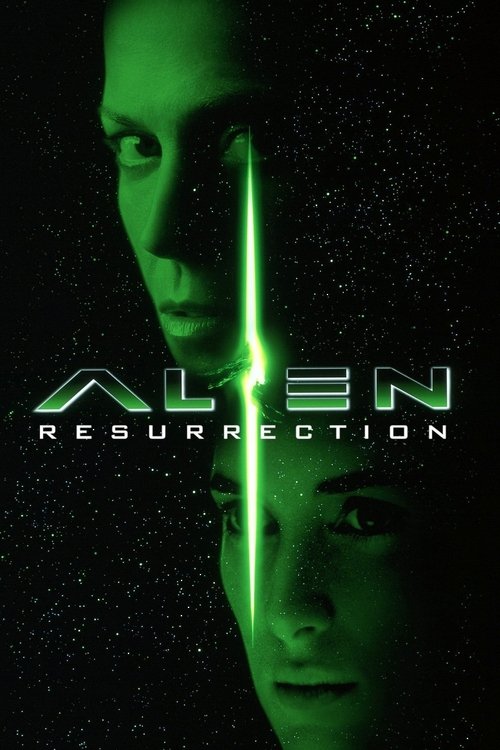
Directed by Jean-Pierre Jeunet and written by a pre-Avengers Joss Whedon, Alien: Resurrection revives Ellen Ripley via science so ethically dubious it practically twirls a mustache. Two hundred years after her sacrifice in Alien³, she’s back—cloned, enhanced, and carrying traces of xenomorph DNA like it’s a frequent flyer program.
And yes, it’s exactly as strange as that sounds.
Ripley 8: Now With Extra Teeth
Sigourney Weaver returns as Ripley 8, a version of the character who is less haunted survivor and more predatory anti-hero. Weaver, to her credit, seems liberated by the weirdness. She plays this Ripley with feline detachment and just enough menace to suggest she might bite.
It’s a fascinating idea—what happens when humanity and monstrosity blur? The film flirts with this theme, occasionally even seducing it, before remembering it also wants to be a pulpy space caper.
A Tonal Cocktail No One Ordered
Jeunet brings his signature aesthetic—grotesque production design, exaggerated faces, humid industrial grime. The spaceship interiors feel less like military hardware and more like a biomechanical nightclub. Everything sweats.
Meanwhile, Whedon’s script injects quippy, ensemble banter courtesy of a ragtag crew aboard the Betty. Among them: Winona Ryder as a mysteriously innocent android and Ron Perlman chewing scenery like it owes him money.
The result? A film that oscillates between existential body horror and sarcastic action comedy. It never quite settles. It’s either too arch to be terrifying or too slimy to be playful.
The Underwater Sequence: A Franchise High Point
Let’s give credit where it’s due: the underwater escape sequence is genuinely excellent. It’s tense, inventive, and visually distinct—proof that this movie occasionally remembers it’s part of one of cinema’s great sci-fi horror lineages.
Then there’s the Newborn. The less said about that uncanny, disturbingly human-faced creature, the better—though points for audacity. Few franchises would dare to end on something so deeply uncomfortable.
Resurrection or Mutation?
Alien: Resurrection isn’t incompetent. In fact, it’s visually striking and intermittently clever. But it feels like a film assembled from competing impulses: studio spectacle, auteur oddity, franchise obligation, and late-’90s snark.
It’s not the tight terror of Alien. It’s not the operatic despair of Aliens. It’s the weird cousin who shows up to Thanksgiving wearing leather and speaking French philosophy.
Memorable? Absolutely.
Essential? Debatable.
Rating: 3 out of 5 cloned queens.
It may not restore the franchise to its former glory—but it does ensure the saga ends (for now) on a note that is boldly, unapologetically strange.
Leave a Reply