
Few films capture late-’90s malaise quite like American Beauty—a movie that looked at manicured lawns and decided they were horror sets with better lighting.
Directed by Sam Mendes and written by Alan Ball, the film dissects suburban ennui with surgical neatness. It arrived in 1999—cinema’s overachieving year—and promptly won five Oscars, including Best Picture.
At the time, it felt daring. Ironic. Exposing.
Time, as always, has complicated things.
Lester Burnham’s Midlife Rebellion
Kevin Spacey plays Lester Burnham, a middle-aged man narrating his own impending death while spiraling into a self-styled liberation. He quits his job, buys the car he always wanted, lifts weights in the garage, and develops an infatuation with his teenage daughter’s friend.
The film frames this as awakening—male desire rediscovered amid corporate suffocation. It’s intentionally uncomfortable, though modern audiences may find the line between satire and indulgence thinner than the film perhaps intended.
Spacey’s performance, separate from real-world context, is controlled and darkly comic. Lester oscillates between pathetic and perversely triumphant.
Carolyn and the Cult of Perfection
Annette Bening is ferocious as Carolyn, Lester’s image-obsessed real estate agent wife. She’s brittle, ambitious, constantly performing success. Bening’s portrayal reveals both cruelty and fragility—the cost of chasing a version of the American Dream that’s entirely aesthetic.
In many ways, Carolyn’s desperation is the film’s most grounded tragedy.
The Plastic Bag and the Philosophy
Then there’s Ricky Fitts (Wes Bentley), filming a plastic bag swirling in the wind and declaring it beautiful. It’s the film’s thesis distilled: beneath banality lies transcendence.
Mendes shoots suburbia with symmetrical precision, framing homes like display cases. Thomas Newman’s ethereal score adds a layer of detached contemplation, as though the film is observing its characters under glass.
The tone walks a careful line between satire and sincerity. Sometimes it balances beautifully. Sometimes it wobbles.
The Cultural Reassessment
Upon release, American Beauty was hailed as profound social critique. Over time, its portrait of middle-class disillusionment has felt both incisive and occasionally heavy-handed. The film’s perspective—particularly around desire and adolescence—invites scrutiny today in ways that complicate its legacy.
Yet it remains technically assured, confidently directed, and thematically cohesive. It captures a very specific cultural anxiety: the emptiness behind curated success.
The Verdict
American Beauty is polished, provocative, and undeniably of its moment. It skewers suburban artifice with visual elegance and sharp performances, even as some of its provocations feel less daring with distance.
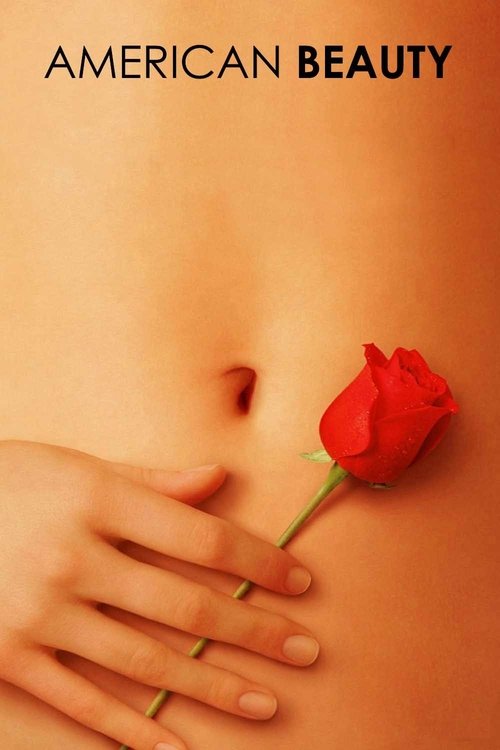
Rating: 4 out of 5 red roses.
A time capsule of millennial-era disillusionment—beautiful to look at, thorny upon closer inspection.
Leave a Reply