
Slashers usually peak, decline, then vanish into cable television purgatory. Except the 80s variety refuses to stay dead. They're clawing back onto streaming platforms with the persistence of Jason Voorhees, muddy boots, unkillable momentum, and zero interest in explaining themselves.
What's streaming now isn't just the usual suspects. It's a mix of canonical mayhem and grimy obscurities that somehow survived the VHS-to-digital migration. Some deserve the cult status. Others are fascinating disasters. All of them share that unmistakable 80s texture: practical effects, gratuitous nudity, and a moral framework that punishes teenagers for having fun. Which, let's be honest, is half the appeal.
The Burning (1981) , Streaming on Shudder
Tom Savini turned down Friday the 13th Part 2 to work on this. That tells you something about the gore pedigree. Directed by Tony Maylam, The Burning follows the standard summer-camp-revenge template, disfigured caretaker, sharp garden shears, horny counselors, but executes it with craftsman-like precision.
The raft massacre remains a masterclass in practical effects. Bodies split. Blood sprays. The camera doesn't flinch. Savini understood that slasher kills needed choreography, not just carnage. The performances are serviceable camp-movie stuff, though young Jason Alexander (yes, that Jason Alexander) appears as a wisecracking camper, which feels like a cosmic joke in retrospect.
It's nastier than Friday the 13th. Less iconic, but technically superior. The kind of film that makes you appreciate the craft behind the splatter.
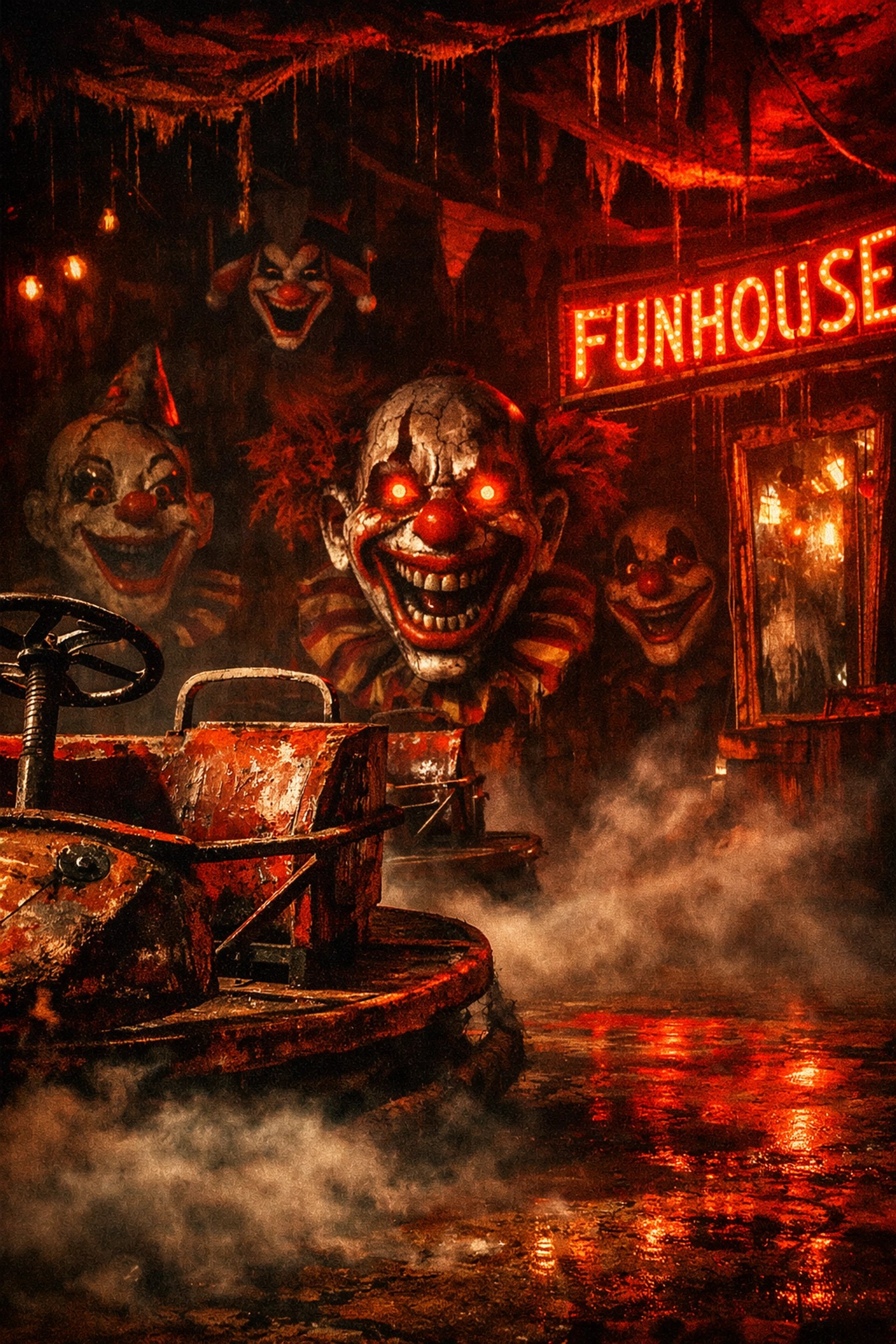
The Funhouse (1981) : Streaming on Prime Video
Tobe Hooper (long before Poltergeist sanitized his reputation) directed this carnival nightmare with the same grimy intensity he brought to The Texas Chain Saw Massacre. Four teenagers get locked inside a traveling carnival's haunted house ride. Bad idea. Worse execution, at least for the characters.
What separates The Funhouse from its peers is Hooper's visual control. The carnival setting becomes genuinely oppressive: all flickering lights, mechanical laughter, and shadows that swallow teenagers whole. The killer, a deformed carnival barker's son, feels less like a slasher villain and more like a grotesque fairy tale monster. Kevin Conway's performance as the barker adds layers of seediness that most slashers don't bother with.
It's slower than modern audiences expect. Hooper takes his time building dread before the killing starts. Whether that's restraint or miscalculation depends on your patience for atmosphere over body count.
Sleepaway Camp (1983) : Streaming on Peacock
Robert Hiltzik's feature debut is infamous for one reason. The ending. If you know, you know. If you don't, don't let anyone spoil it before you watch.
Beyond that notorious final shot, Sleepaway Camp operates as an oddly sincere summer camp slasher with deeply weird undercurrents. The performances range from charmingly amateur to genuinely unsettling, particularly Felissa Rose as the shy, traumatized Angela. There's something off about the whole production: stilted dialogue, uncomfortable sexual politics, a meanness that feels less calculated than confused.
The kills are creative. Curling iron, boiling water, beehive to the face. Hiltzik clearly understood that variety matters in slasher economics. The social dynamics at Camp Arawak feel authentically cruel in ways most teen horror glosses over. It's uncomfortable. Frequently gross. Occasionally brilliant. Always strange.
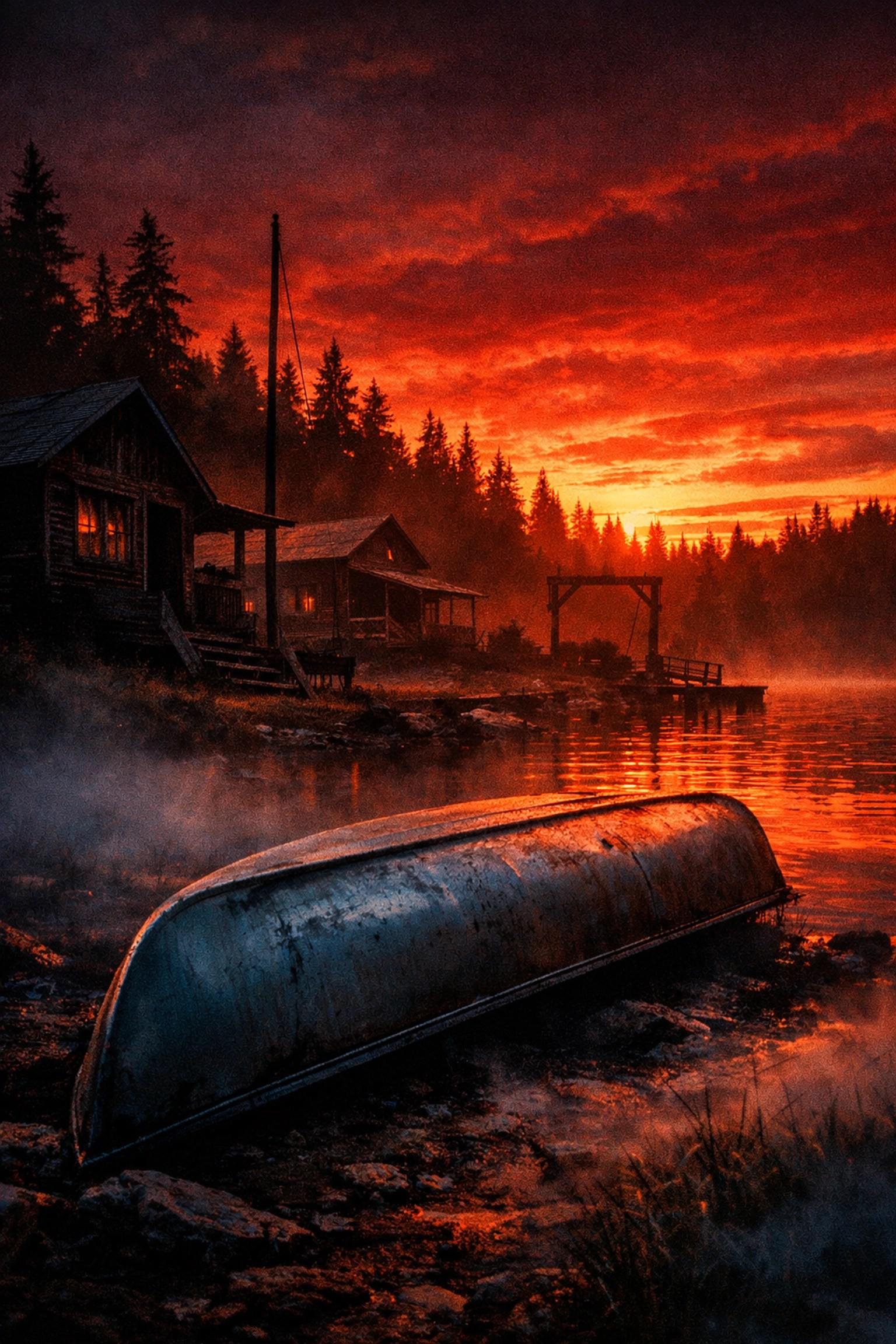
Hell Night (1981) : Streaming on Paramount+
Linda Blair. A Gothic mansion. Fraternity hazing gone homicidal. Tom DeSimone's Hell Night plays like The Haunting reimagined by people who care more about creative kills than psychological terror.
Blair, post-Exorcist and deep into genre work, brings unexpected gravitas to what could've been a throwaway final girl role. She's smart, resourceful, and doesn't scream at predictable intervals. The film respects her intelligence, which was rarer than it should've been in 1981 slashers.
The mansion location does heavy lifting. Real Gothic architecture, not the usual California house dressed up with cobwebs. DeSimone uses the space well: long corridors, hidden passages, enough physical geography that the action feels grounded rather than chaotic. The killer reveal is absurd. The execution is solid enough that the absurdity almost works.
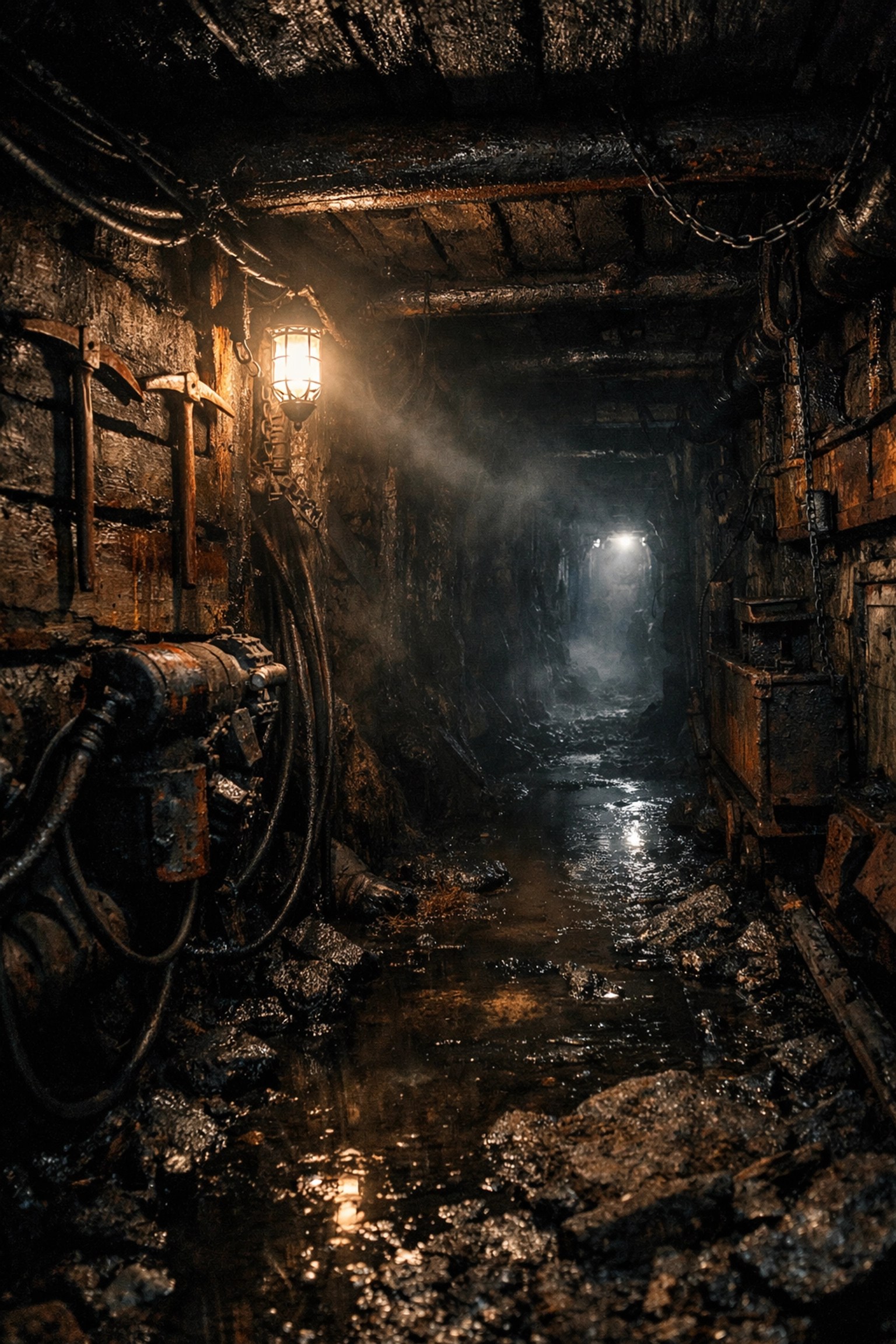
My Bloody Valentine (1981) : Streaming on Paramount+
George Mihalka's Canadian mining-town slasher arrived with impeccable timing: Valentine's Day 1981, right when slashers were metastasizing across every calendar holiday. The theatrical version got butchered by MPAA censors who decided even slasher fans had limits. The unrated cut, restored decades later, reveals what was always there: genuinely grim mining-town atmosphere and some of the most inventive kill sequences the early 80s produced.
The mining setting matters. Dark tunnels, claustrophobic spaces, industrial danger everywhere. The killer in mining gear becomes genuinely unnerving in these environments: less supernatural boogeyman, more occupational hazard with murderous intent.
The small-town characterizations feel unusually specific for slasher fare. These aren't generic teens. They're working-class young adults with miner parents and limited futures. When they die, it registers differently. The performances stay grounded even when the pickaxe swings get theatrical.
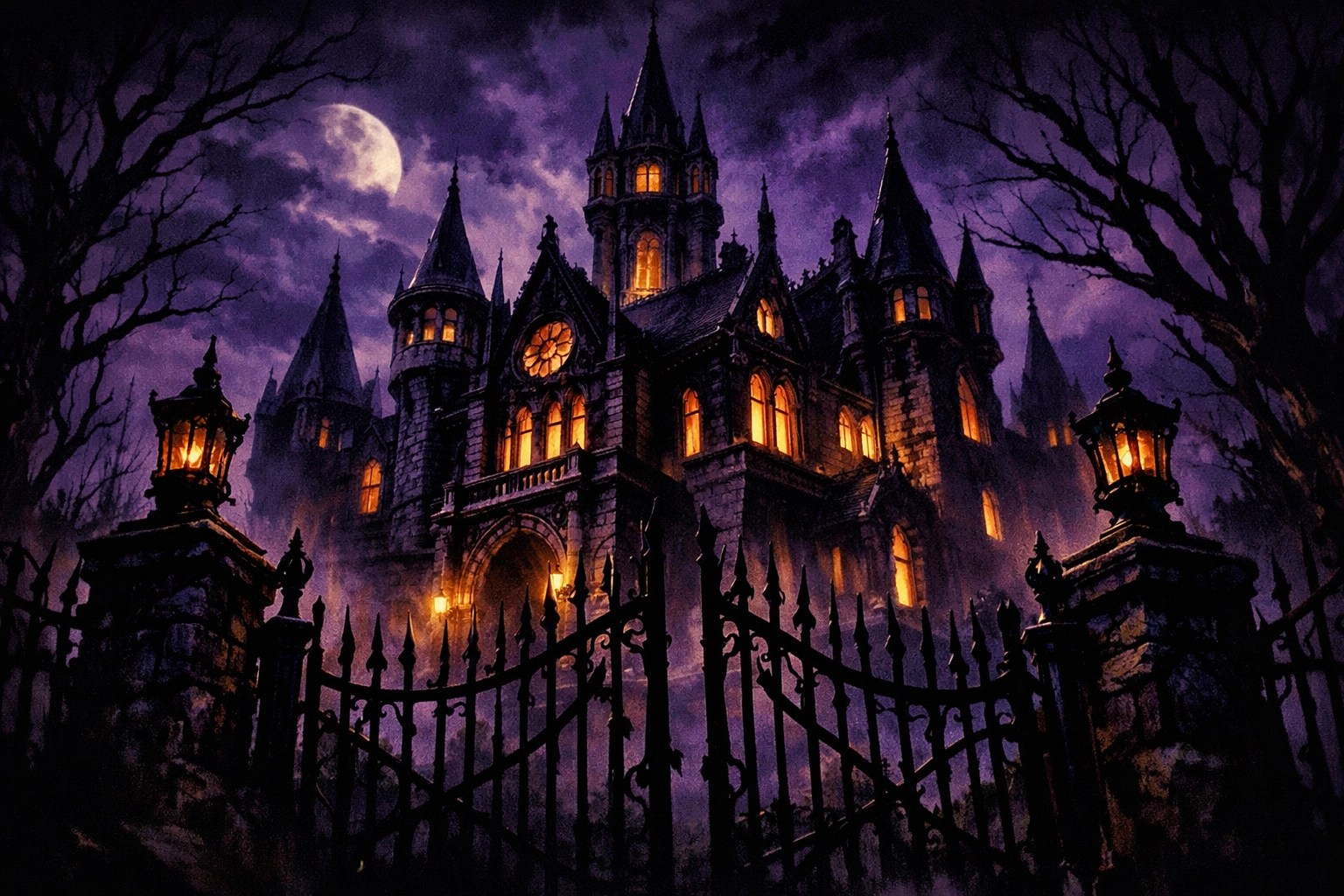
The Prowler (1981) : Streaming on Tubi
Joseph Zito directed this before Friday the 13th: The Final Chapter proved he understood slasher mechanics better than most. The Prowler follows a World War II soldier who returns home to find his girlfriend has moved on. His response involves decades of waiting, then murder during a college dance. Romantic, in a deeply psychotic way.
The big draw is Tom Savini's effects work. Again. The man dominated early 80s slasher gore, and The Prowler features some of his most elaborate kills: a pitchfork to the throat, a bayonet through a shower head. These aren't just money shots. They're small horror films within the larger narrative.
Zito's direction is workmanlike but effective. He understands suspense structure, even if the script gives him limited material. The killer's World War II fatigues and steel helmet create an imposing silhouette. The pacing drags in the middle. The finale delivers enough brutality to justify the wait.
The House on Sorority Row (1982) : Streaming on AMC+
Mark Rosman's directorial debut takes the I Know What You Did Last Summer template (before that film existed) and applies it to sorority politics. Seven sorority sisters accidentally kill their house mother during a prank. Someone starts killing them at their graduation party. The math gets simpler with each murder.
What elevates The House on Sorority Row above generic slasher territory is Rosman's attention to visual composition. He studied under Brian De Palma, and it shows: split diopter shots, careful camera movement, a visual sophistication rare in low-budget horror. The house itself becomes a character, all shadowy corners and creaking staircases.
Kate McNeil as Katherine delivers a final girl performance with actual depth. She's complicit in the cover-up but conflicted about it. The film allows her complexity, even sympathy. The killer reveal is bonkers. The journey there remains surprisingly stylish.
Blood Barn (2025) : Streaming on Screambox
Not technically an 80s film. It's brand new. But Blood Barn exists as deliberate throwback: shot to evoke 80s slasher aesthetics down to the grain and color timing. Director Justin Seaman crafts something that feels simultaneously like a lost VHS discovery and a knowing homage.
The plot is standard isolated-location carnage. The execution is where it gets interesting. Seaman understands that 80s slashers worked because of texture: the specific quality of film stock, practical effects, pacing that built dread before unleashing chaos. Blood Barn replicates these elements without feeling like parody.
It's less "retro pastiche" than "genuine article made four decades late." Whether that's authentic or merely convincing depends on how much you value original artifacts over skilled replicas. The kills are nasty. The atmosphere is thick. It scratches the itch while acknowledging the itch exists.
The Initiation (1984) : Streaming on Tubi
Larry Stewart's mall-set slasher arrives late enough in the cycle that it needs gimmicks. So it adds: amnesia, dream sequences, psychological trauma, and Daphne Zuniga (pre-Spaceballs) as a sorority pledge tormented by recurring nightmares about childhood trauma.
The first half plays like psychological thriller. The second half is standard slasher mayhem inside a shopping mall after hours. The tonal shift is jarring. Also kind of fascinating. Stewart doesn't quite nail either mode, but the ambition shows. The mall setting provides excellent geography for cat-and-mouse sequences: escalators, mannequins, vast empty spaces that feel both familiar and alien after hours.
The twist ending swings for Psycho territory. Lands somewhere between clever and convoluted. But Zuniga's performance grounds the chaos, and the practical effects remain satisfyingly gory.
Night School (1981) : Streaming on Shudder
Ken Hughes directed this Boston-set slasher about someone decapitating women enrolled in night courses. The killer uses a motorcycle helmet and a machete. Fashion meets function.
What makes Night School interesting isn't the plot: it's standard giallo-influenced mystery-slasher stuff. It's the location work. Real Boston streets, authentic dive bars, a grungy verisimilitude that studio-shot slashers couldn't replicate. The city becomes atmosphere.
Rachel Ward appears early in her career, bringing actual acting ability to material that doesn't strictly require it. The performances across the board feel less "horror movie" and more "local theater production": which somehow works. The killer reveal is effectively twisted. The journey there benefits from genuine location character.
These aren't all masterpieces. Some barely qualify as competent. But they share that specific 80s horror quality: practical effects made by artists who understood latex and corn syrup, performances that range from earnest to baffling, and a gleeful willingness to punish characters for minor moral infractions.
Streaming has resurrected what video stores used to curate. The cult classics sit beside the obscurities, waiting for audiences willing to look past the dated aesthetics to find the craft underneath. Sometimes you find genius. Sometimes you find fascinating failure. Often you find both in the same movie.
That's the appeal. That's why 80s horror refuses to stay buried.

Leave a Reply